Mit einem herzlichen aber kräftigen Horridoh, möchten wir Sie auf den Seiten der Traditionsgemeinschaft Jagdgeschwaders 52 e.V. willkommen heißen.
Auf unseren Seiten möchten wir Sie mitnehmen auf eine historische Zeitreise in die Vergangenheit. Erfahren Sie hier Einzelheiten über die Piloten/Flugzeugführer, das Bodenpersonal/”Schwarze Männer” und die Messerschmitt Bf 109. des ehemaligen Jagdgeschwaders 52, dem erfolgreichsten Jagdgeschwader der Welt mit knapp 11.000 anerkannten Luftsiegen.
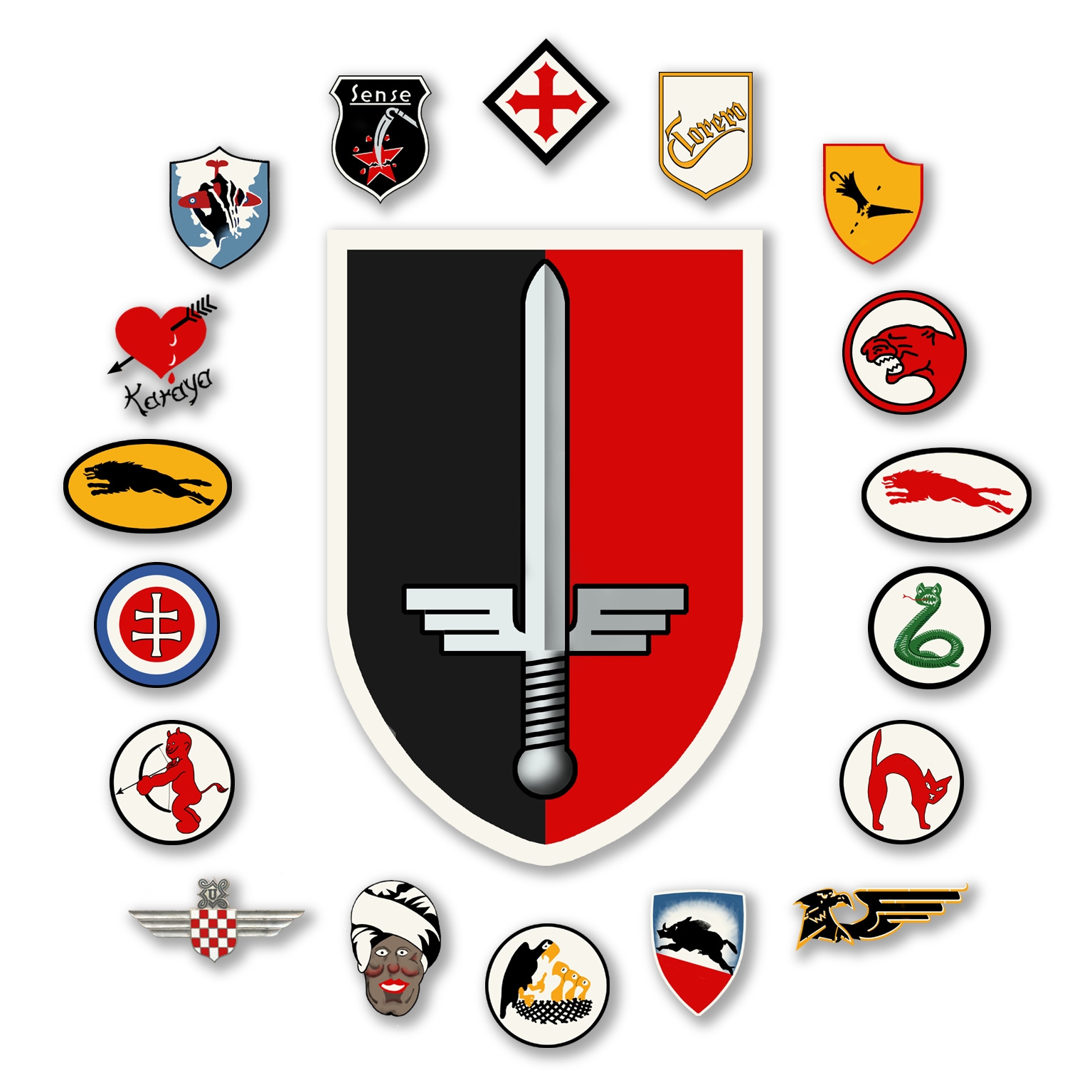
Abzeichen des Geschwaders, der Gruppen und der Staffeln des JG52
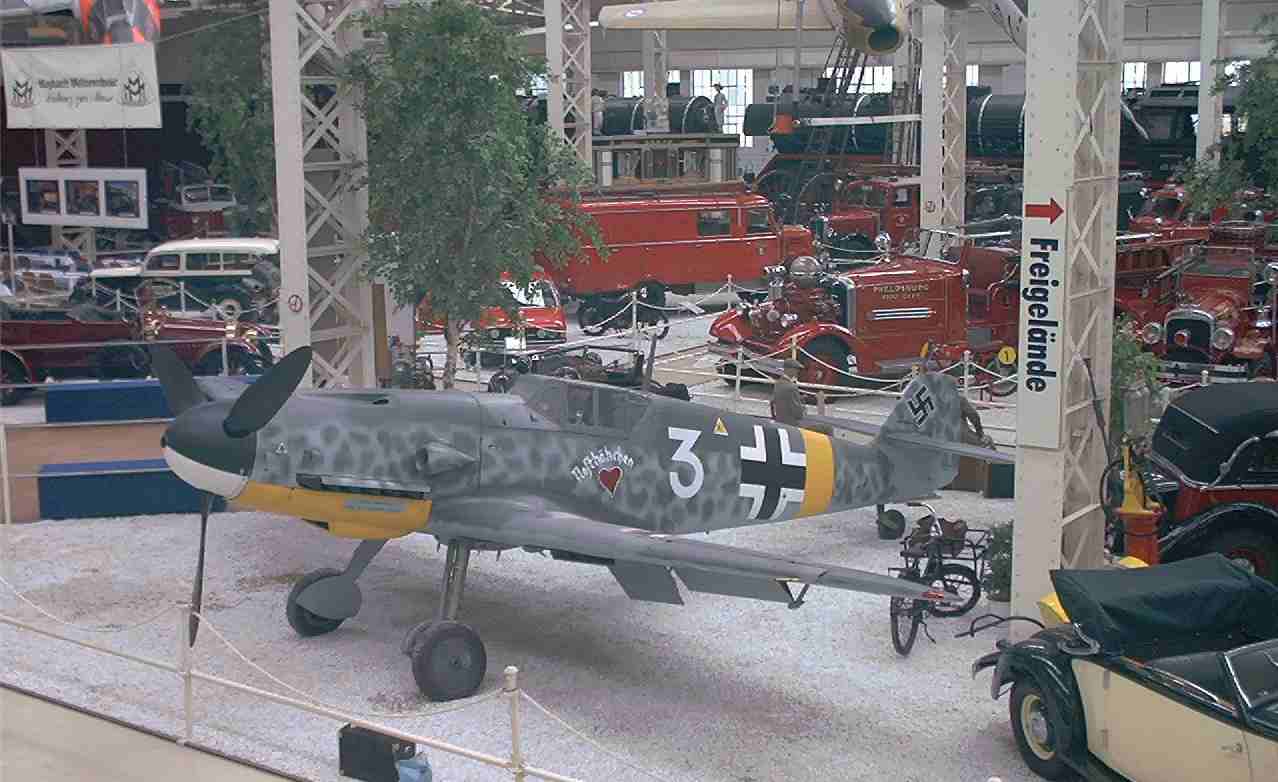
Die “Weisse Drei” eine Me 109 G-4, war mit dem Stammkennzeichen BH + XN und der W.- Nr. 19310 in Wiener Neustadt gebaut worden. Erfahren Sie hier, wie die “Weisse Drei” dank dem entschlossenen Einsatz der Traditionsgemeinschaft Jagdgeschwader 52 e. V. Ihren Weg ins Technikmuseum Speyer fand und mehr.
Unser Nesthäkchen Me 109 – G4 von der linken Seite aus.
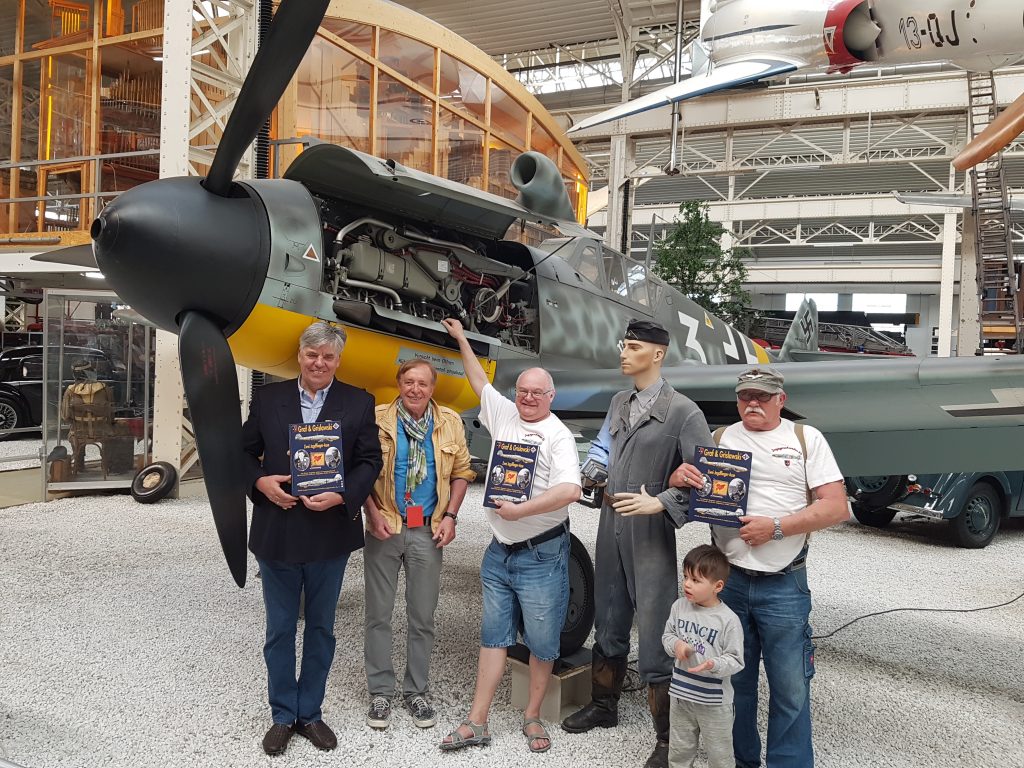
Unser Nesthäkchen im Technikmuseum Speyer am 20. April 2018, bei der Buchvorstellung „ Graf & Grislawski “ v. L. Der Präsident der Technikmuseen Sinsheim & Speyer Hr. Hermann Layher; Hr. Peter Seelinger der Veranstalter der Flugzeugteilebörse in Speyer, Christer Bergström der Autor des Buches; Mechanikerpuppe des JG 52; M.H.H. W. mit einem jungen „ Bubi “ einem neuen JG52 und Me 109 Fan!
Als Flugzeugführer in einer Aufklärungsstaffel nahm er am Polen- und Frankreich-Feldzug teil und wurde im Frühjahr 1941 zur 3./JG 52 versetzt. In Holland gelangen ihm bis September 1941 die ersten vier Luftsiege. Bald darauf wurde seine Jagdgruppe an die Ostfront verlegt. Mit dem Beginn der deutschen Sommeroffensive im Mai 1942 schoß er sich rasch an […]
Seit dem 05.12.1942 gehörte er als Unteroffizier, später Feldwebel, der 9./JG 52 an. Nach dem er am 05.07.1943 im Osten seine ersten beiden Luftsiege erzielt hatte, konnte er seine Erfolgsserie bis zum Jahresende 1943 auf 50 Abschüsse ausbauen, denen bis Mitte April 1944 weitere 29 folgten, z. B. 72 – 76. Luftsieg am 22.03.1944. Die […]
Barkhorn meldete sich 1938 freiwillig zur Luftwaffe und wurde nach seiner Ausbildung zum Jagdflieger Fluglehrer. 1940 wurde er zum Leutnant befördert und zum JG 52 versetzt, mit welchem er an der Luftschlacht um England teilnahm. In dieser Zeit gelang ihm kein einziger Abschuss, dagegen wurde er zweimal Opfer englischer Piloten. Im August 1940 wurde Barkhorn […]
Batz trat am 01.11.1935 in die Luftwaffe ein. Nach der Ausbildung zum Flugzeugführer wurde er Fluglehrer, er aber wollte eigentlich Jagdflieger werden, am 01.11.1940 zum Leutnant befördert. Seine Versetzungs-versuche an die Front wurden immer wieder abgelehnt und so kam es, dass er erst nach 5000. Flugstunden am 01.11.1942 von der Flugschule – Kaufbeuren auf die […]
Im Juni 1940 wurde er Adjutant bei der I./JG 52 und übernahm am 27.4.1941 die 3./JG 52 als Staffelkapitän. Als er mit ihr an die Ostfront verlegt wurde hatte er bereits 11 britische Flugzeuge abgeschossen. Am 14.6.1942 wurde er Kommandeur der I./JG 52, erzielte am 2.9.1942 den 50. Luftsieg und wurde nach 52 Abschüssen mit […]
Als Unteroffizier nahm er ab Herbst 1938 bei der JGr. 88 der Legion Condor am Spanischen Bürgerkrieg teil und kam dann zur 2./JG 77 (spätere 11./JG 51) mit der er den Polen- und Westfeldzug mitmachte und an den Luftkämpfen über England teilnahm, wobei er fünf Jäger abschießen konnte. In Rußland erhöhte er bis Ende 1941 […]
Möchten Sie mehr über die Geschichte des Jagdgeschwaders 52 erfahren, dann lesen Sie die spannenden Geschichten und Fakten in unseren Kriegstagebüchern. Hier erfahren Sie mehr über Abschüsse, Stationen und Erfolge des Geschwaders.